
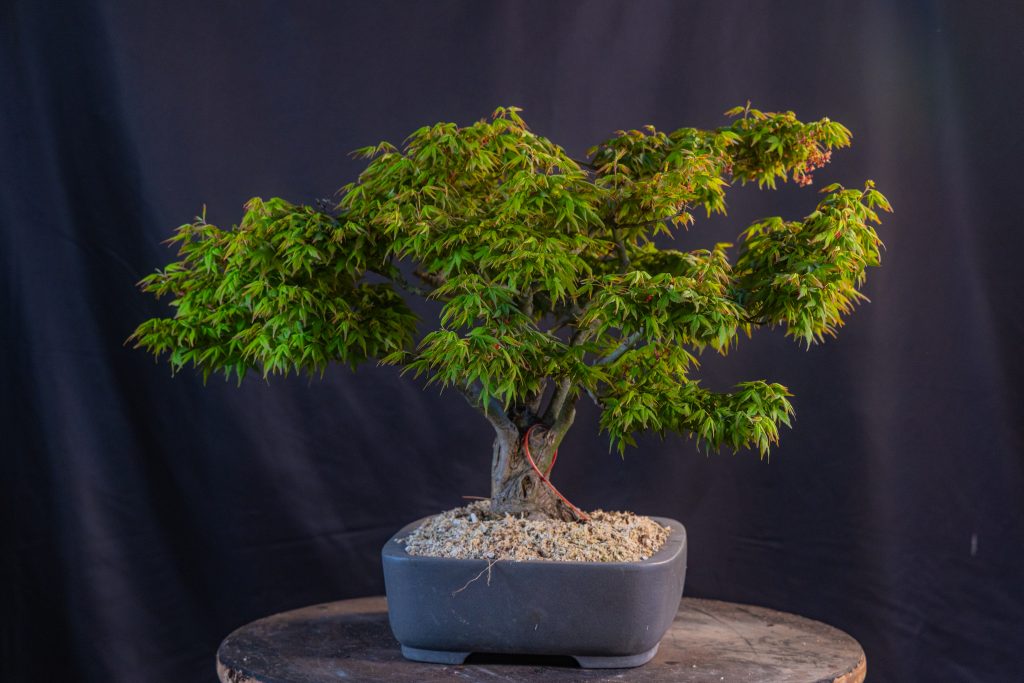
Kitohime
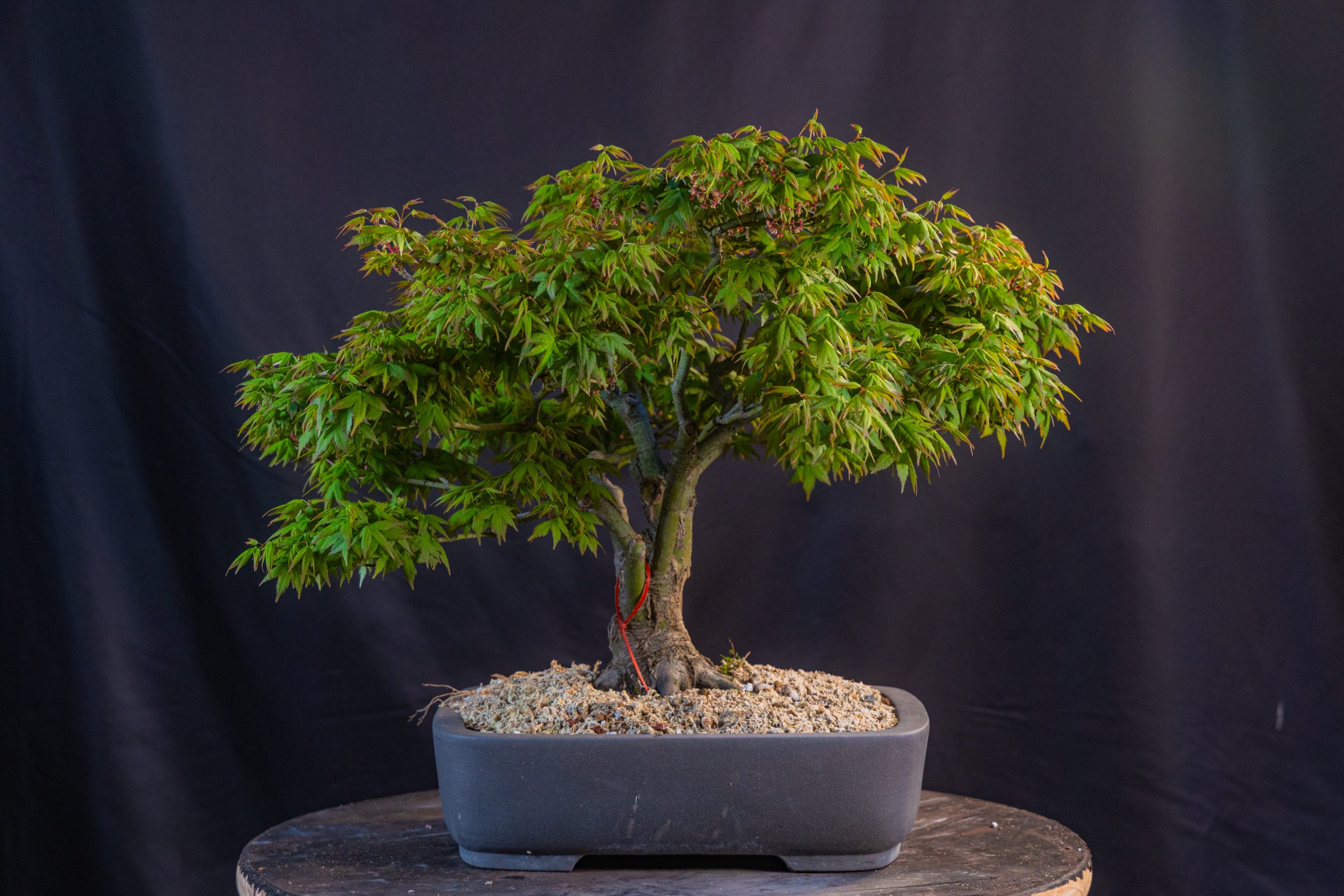
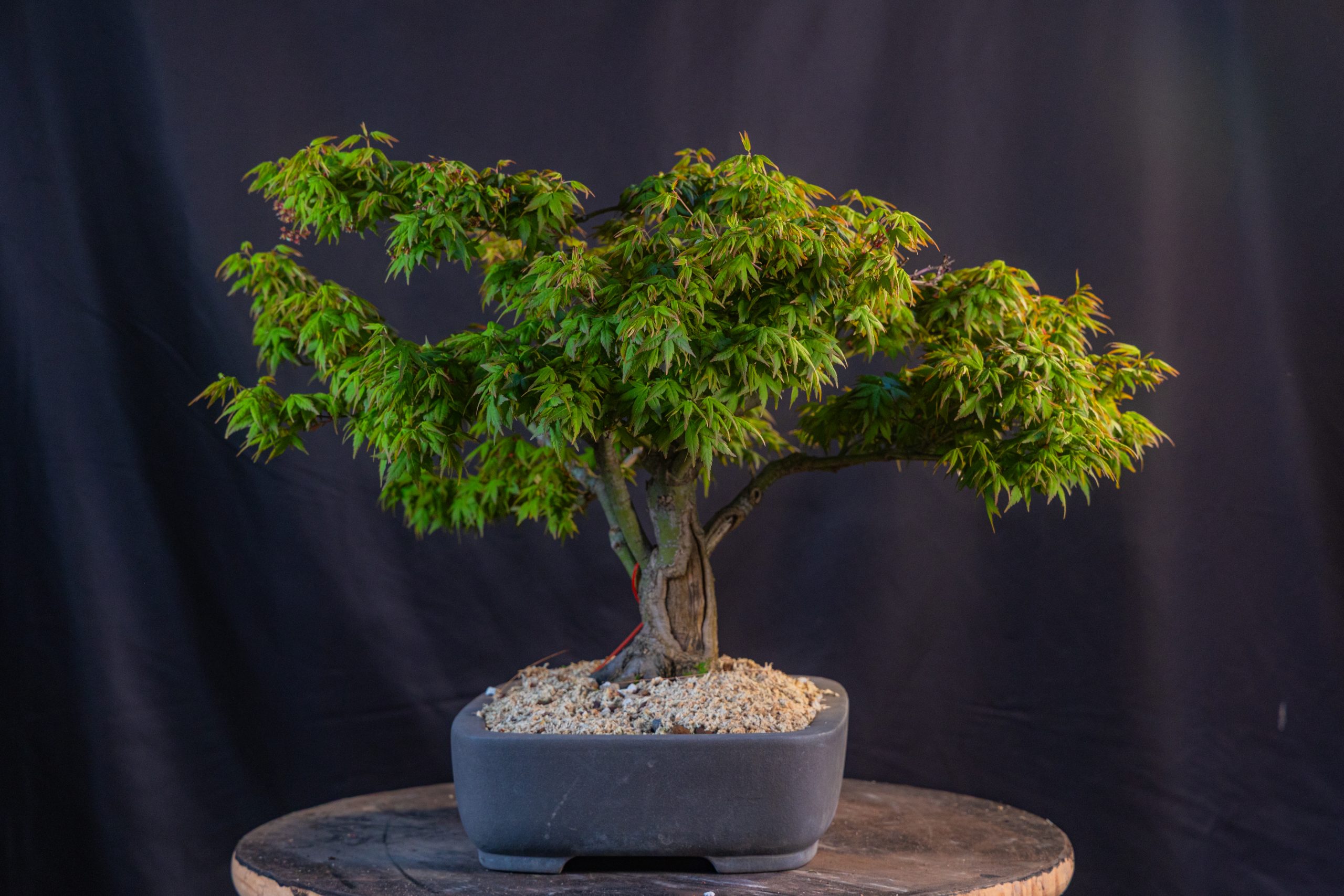
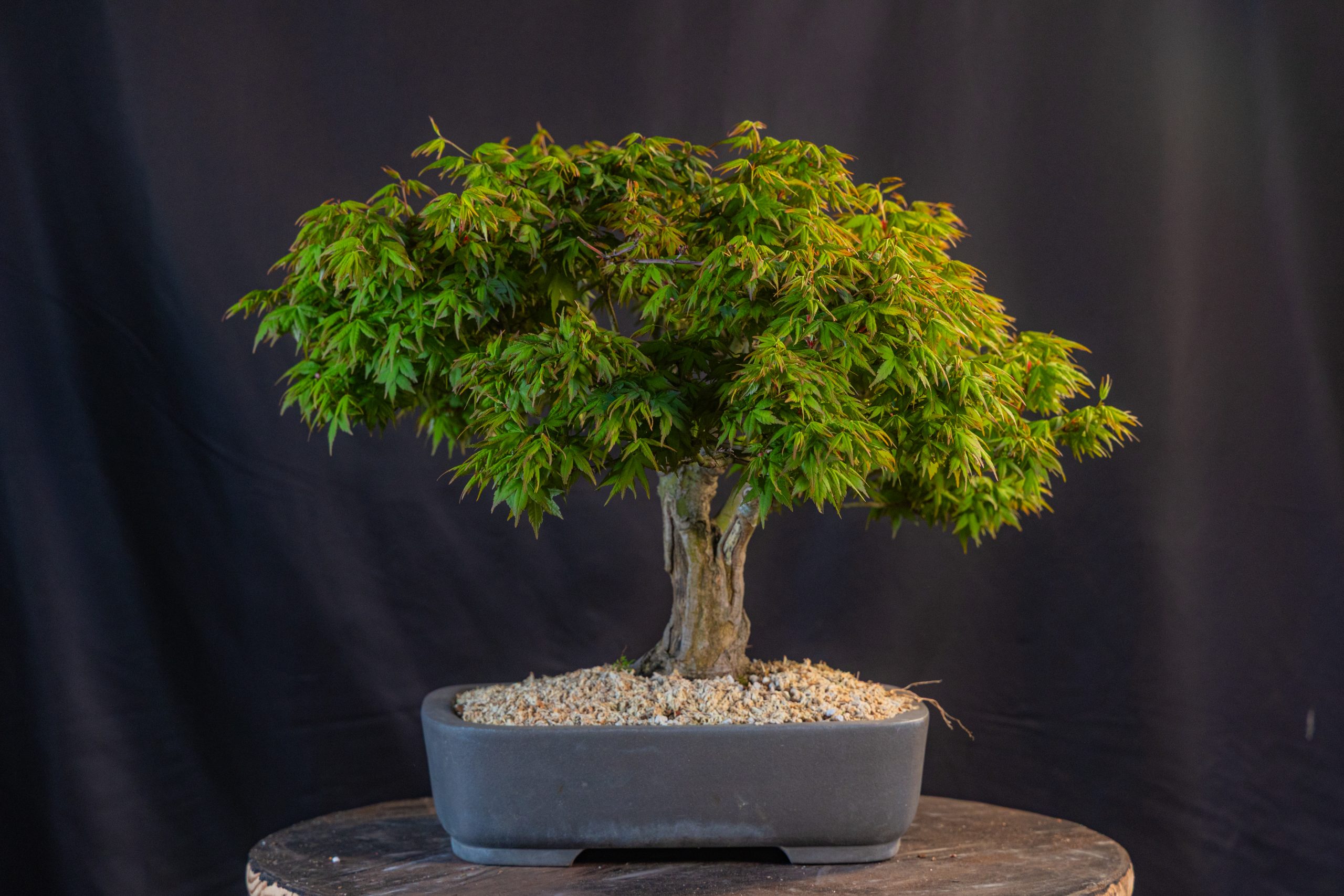
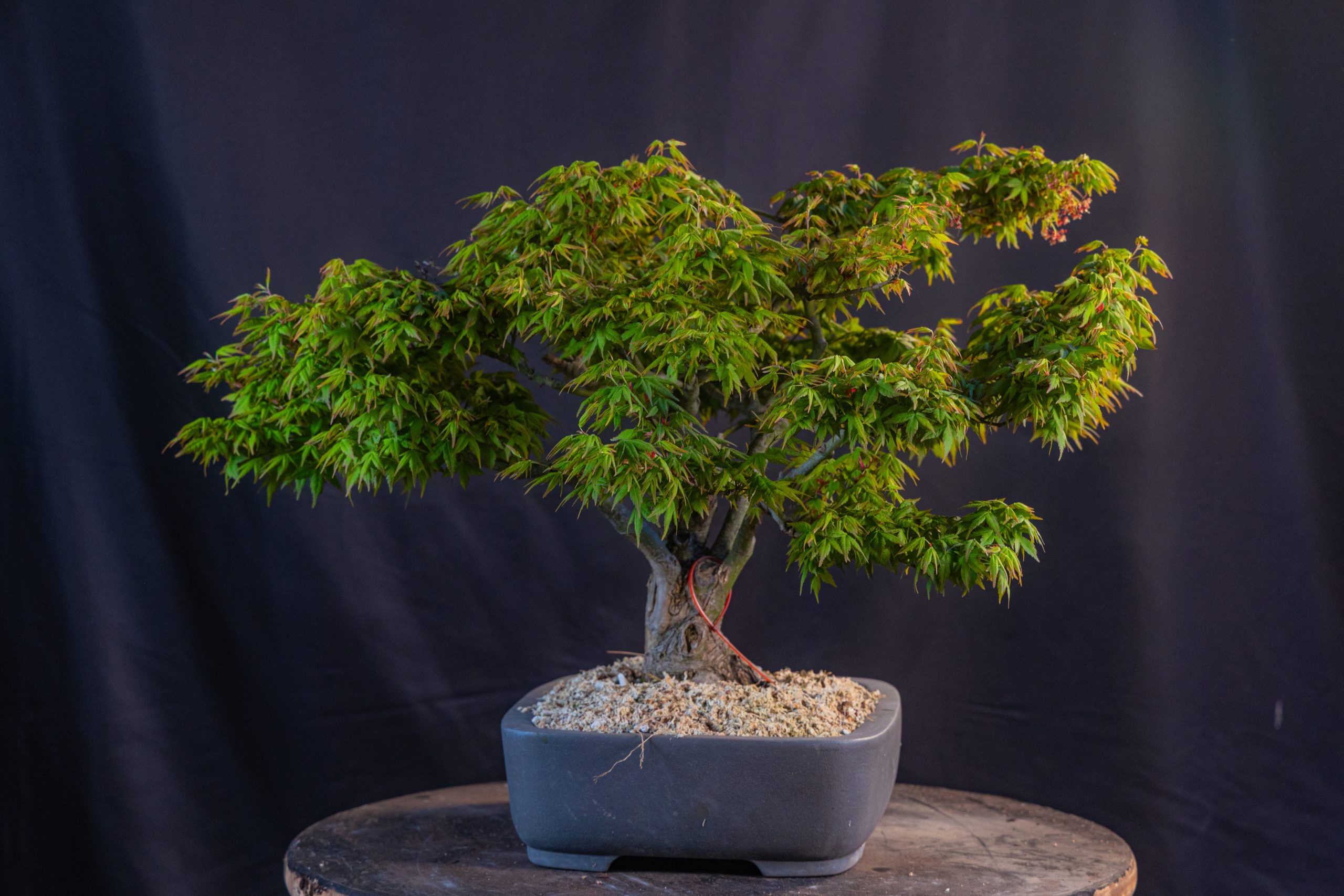
One interesting thing about this cultivar is the name itself. You’ll often see it written as both “Kitohime” and “Kiyohime” depending on the nursery, seller, or bonsai artist. From what I’ve been able to find, many people seem to use the names interchangeably, though I haven’t been able to find any concrete evidence that definitively proves whether they are actually the exact same cultivar or slightly different selections.
A lot of the characteristics described for both are nearly identical, compact growth, tiny leaves, short internodes, and dense ramification, which probably adds to the confusion. If there is a difference, it seems subtle enough that even many experienced bonsai people treat them as the same tree in conversation.
I got this tree from my friend Roddy about two years ago. Roddy is a contractor and has a habit of running into interesting trees that are getting dug up from old yards all over the Philadelphia region. This one was found while redoing a driveway. He dug the tree up roughly ten years ago, and according to the previous homeowners, the maple had been in the yard since at least the 1980s.
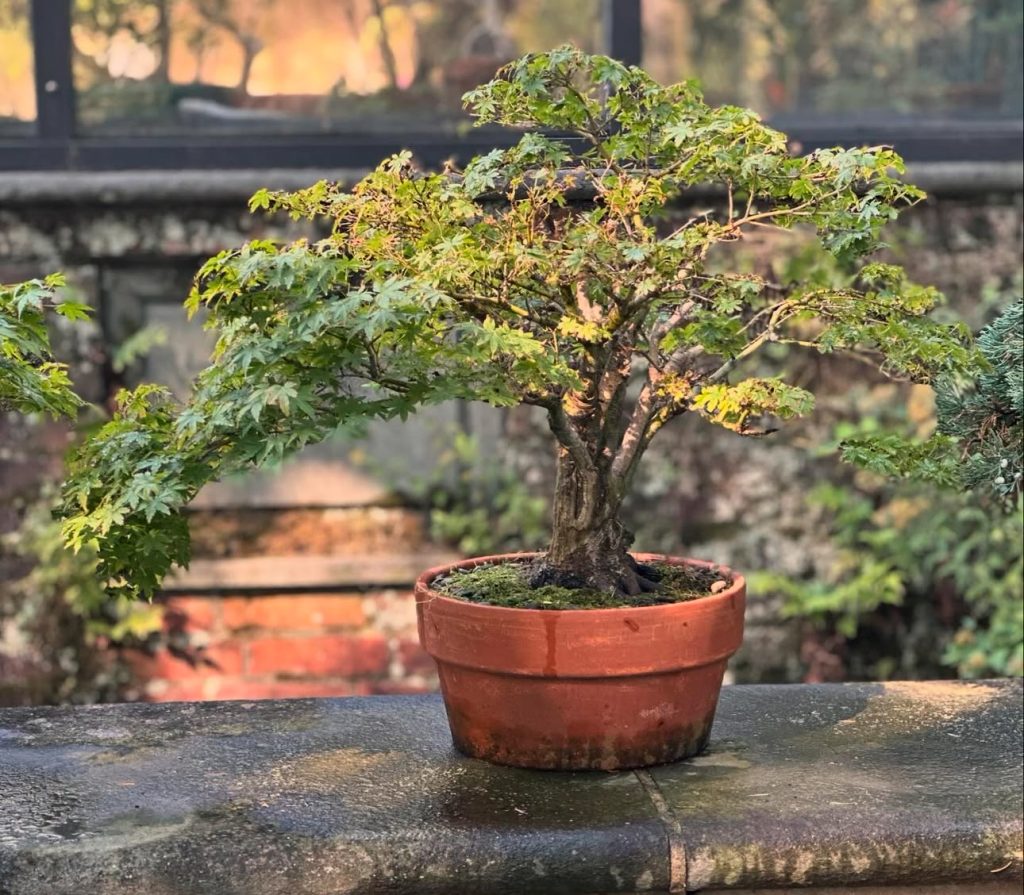
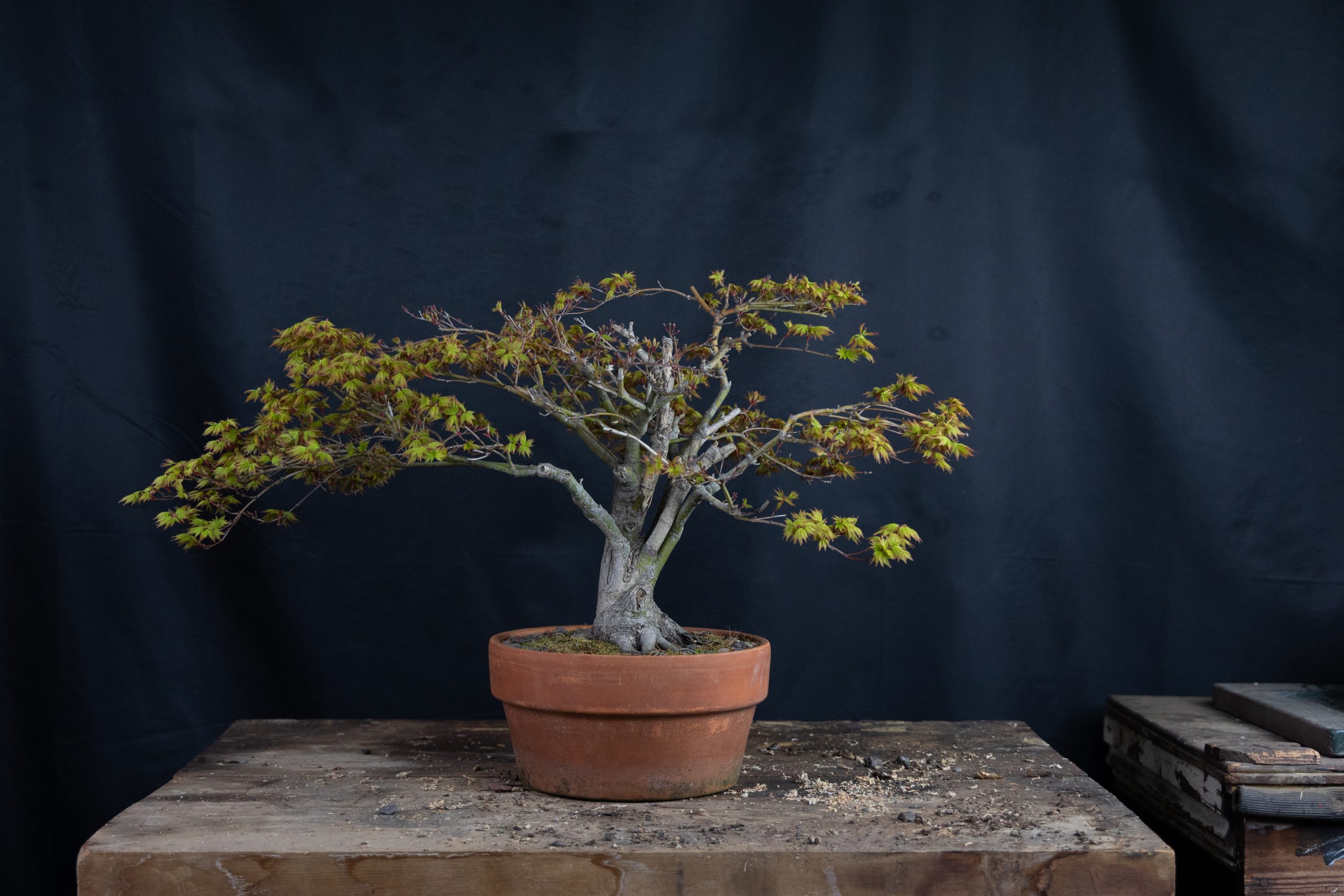
By the time the tree came into my possession it had already budded out for the season, so I decided not to push my luck and left it alone. It clearly needed a repot, but I didn’t want to stress the tree unnecessarily.
The following year, in 2025, I attended a workshop with my bonsai hero, Peter Chan. There was absolutely no way I was passing up the opportunity to have Peter work on this tree. He immediately loved it and did some initial styling. One of the first things he pointed out was that the tree badly needed a repot. He recommended slip potting it into something larger temporarily so the roots could breathe and recover.
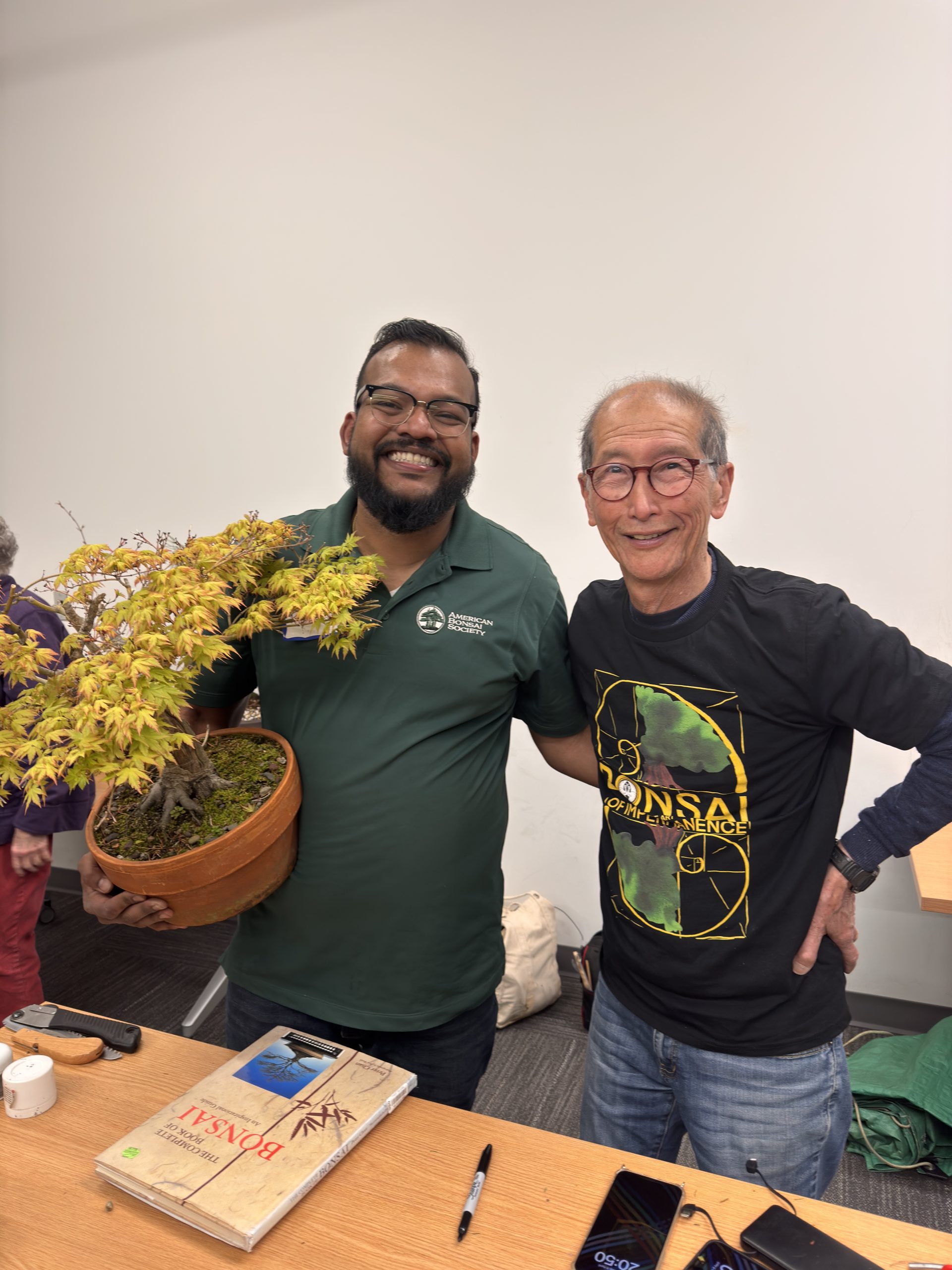
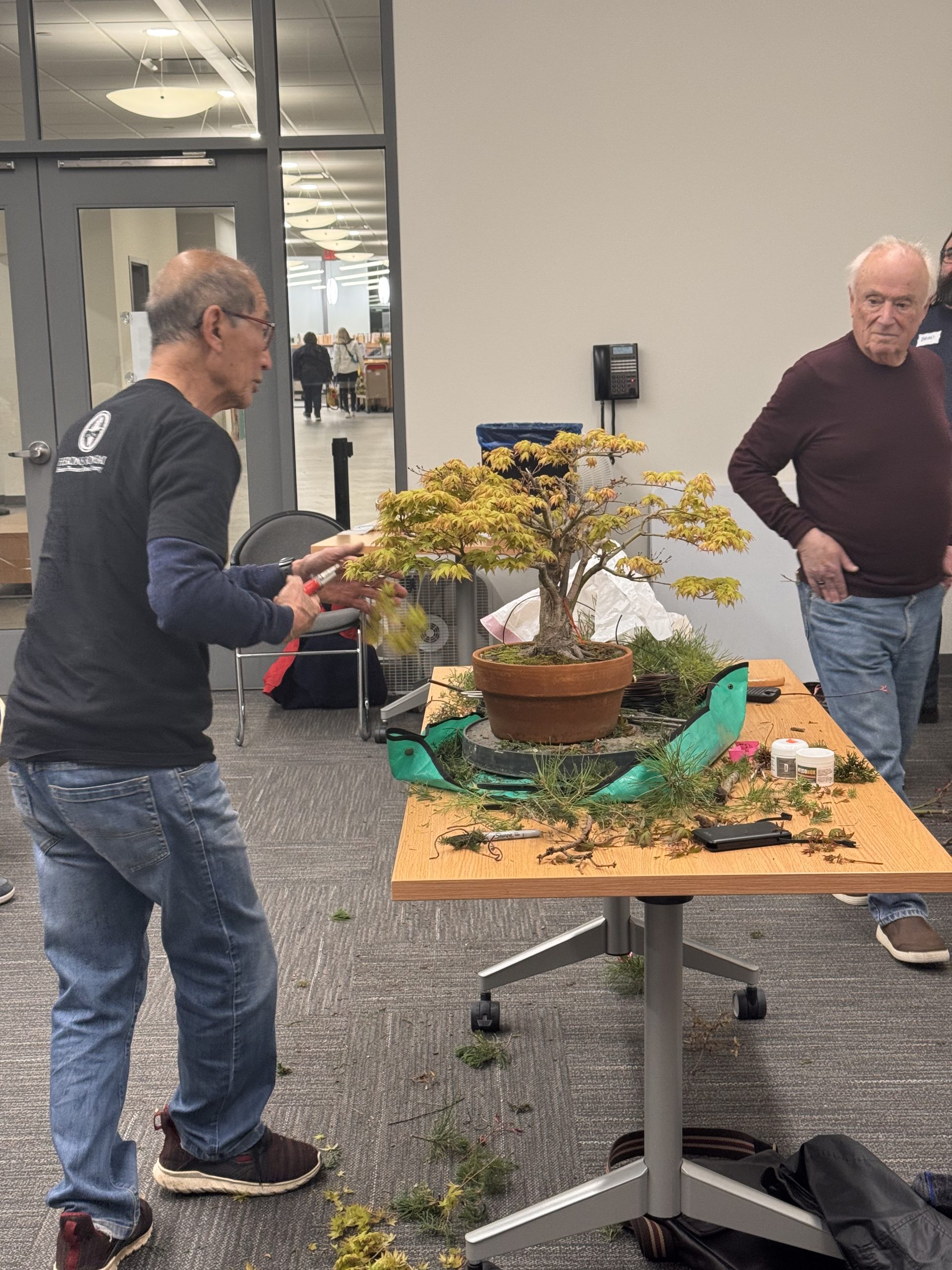
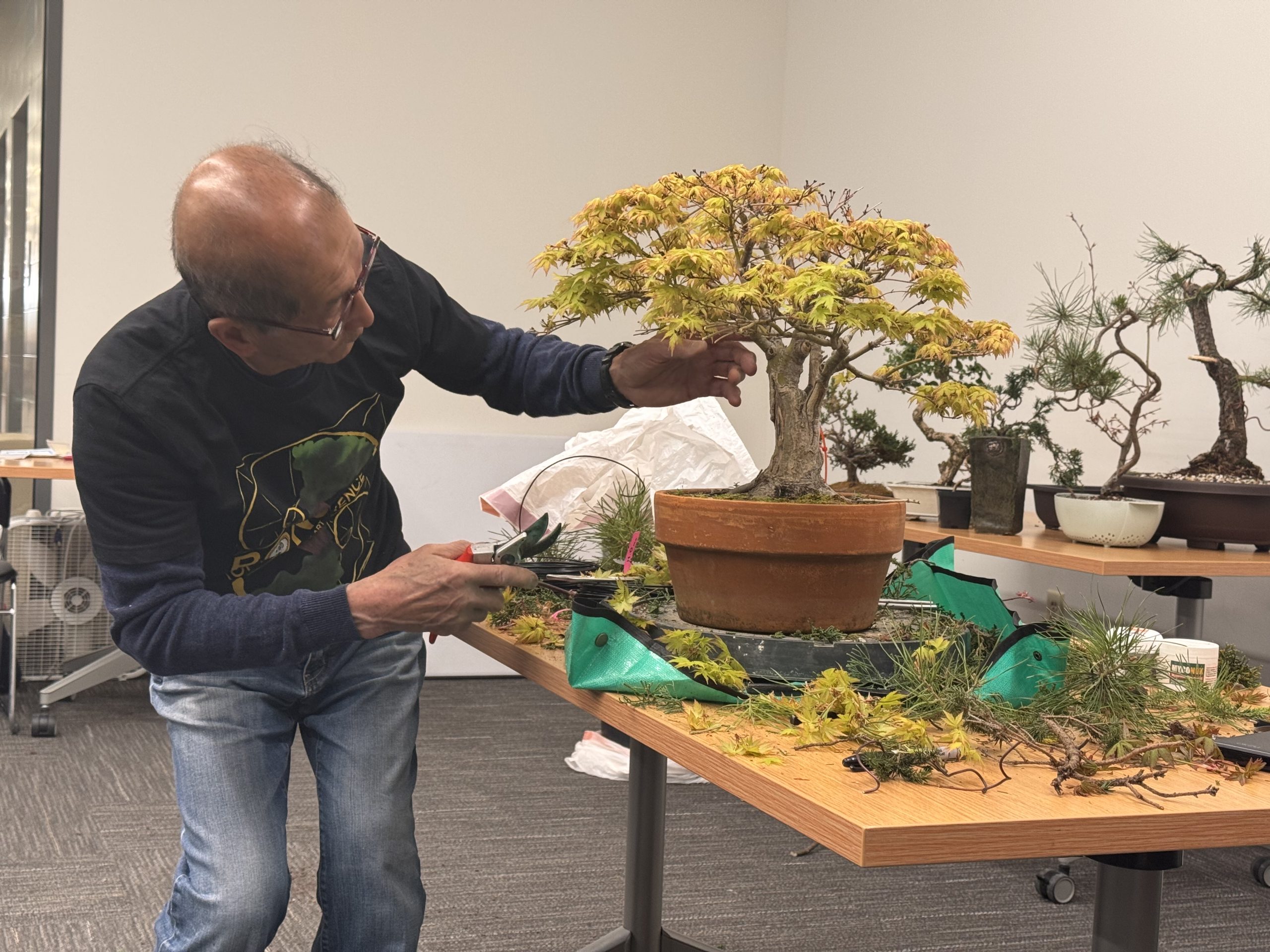
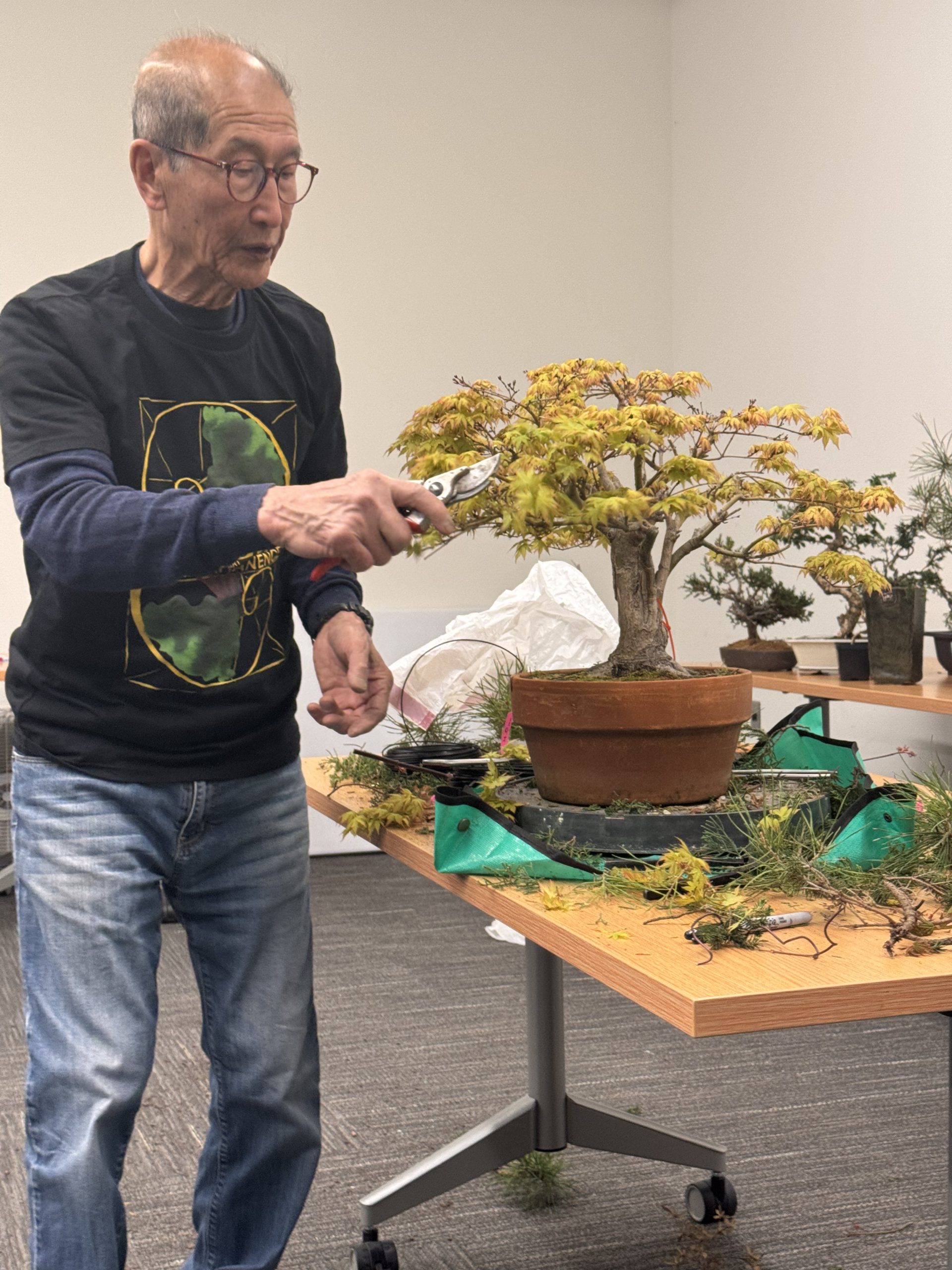
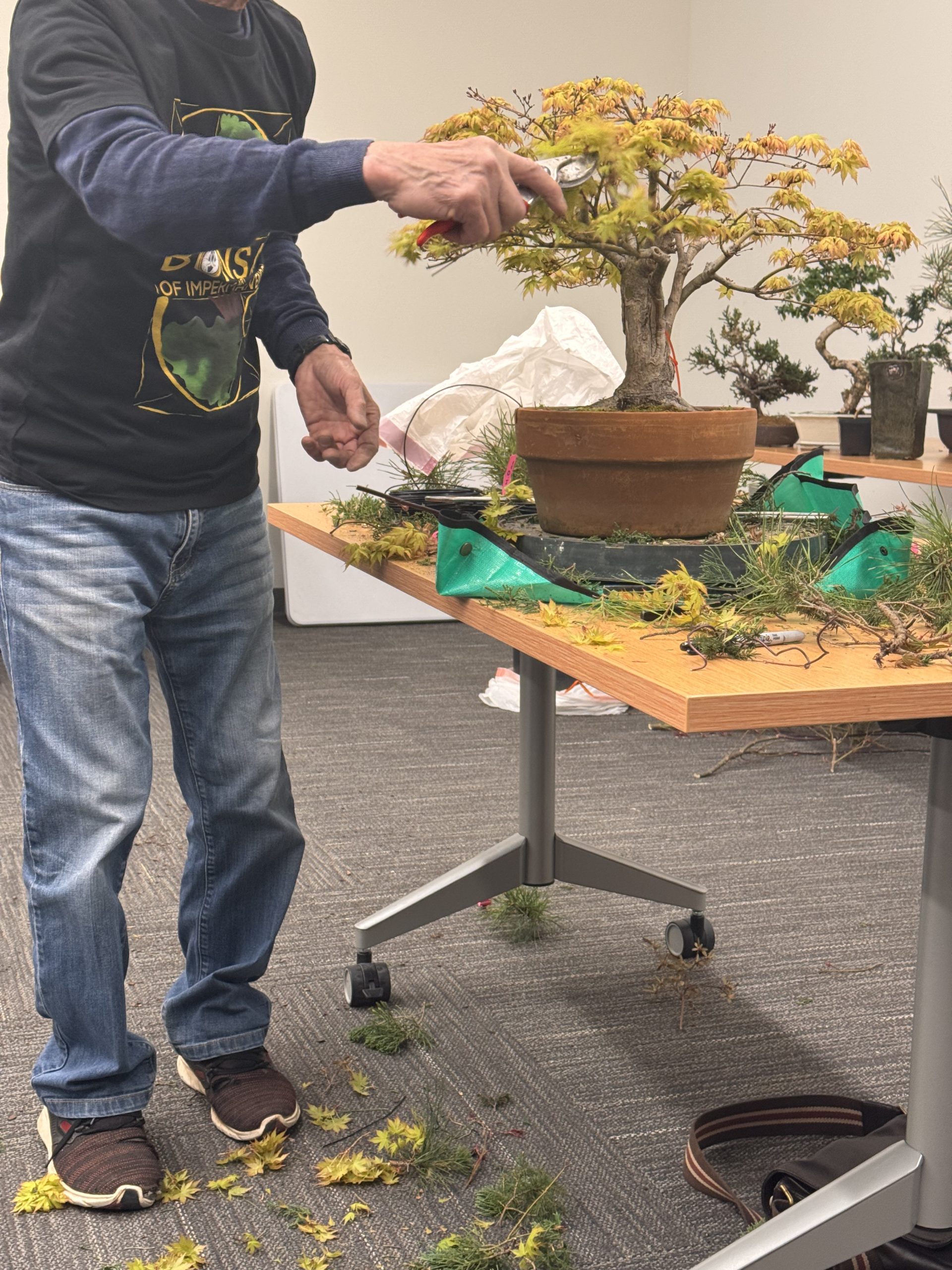
At the time, I didn’t really have the resources or time to build a grow box or invest in a larger container, so I left the tree in the terracotta pot it came in. The tree definitely let me know it wasn’t thrilled about that decision. It struggled a bit through the season and never really had the vigor it should have had.
Fast forward to 2026, I finally had the opportunity to give the tree the attention it deserved. I repotted it into a bonsai pot. It’s definitely not in its final shoes yet, but despite appearances, the new pot actually has slightly more soil volume than the old terracotta container. Since the new container is shallower and wider like a proper bonsai pot, it should also help encourage the roots to spread more radially and horizontally over time instead of continuing downward growth.
More importantly, I was finally able to properly work the root system, clean things up, and do some necessary pruning. It should now be in a much healthier place for the next few years.
The response after the repot has honestly been incredible. The tree absolutely exploded with growth. It’s gotten to the point where I already need to thin and prune the early spring growth just to allow air and light to move through the canopy properly. That dense, compact growth habit is exactly what makes Kitohime such a fun and rewarding maple for bonsai.
One little detail that still makes me laugh is that in my excitement and rush during the repot, I completely forgot to double check the orientation of the tree before tying it into the pot. I ended up planting it with the front facing the short side of the container instead of the long side.
Definitely not my proudest bonsai moment.
At this point it’s something I’ll just have to live with for a few years until the next repot. Thankfully the tree itself responded so well that I can overlook the mistake for now, but it’s a good reminder that even when you’re excited to work on a tree, slowing down and checking the basics still matters. In reality, the tree is still in development and I’m not even sure I know what the proper front or angle of the tree is going to be. Sometime later this year, I’ll work on the tree with Hugo Zamora Luna or Mark Arpag and we’ll have a discussion about its future.
Over time, I’ve been call him him the “Whispering Old Soul.” It just felt fitting for an old yard maple with decades of history, a quiet presence, and soft refined growth that reveals more detail the longer you spend looking at it.